
When to Take Your Dog to the Emergency Vet
You should take your dog to the emergency vet any time they show signs of a life-threatening condition, including difficulty breathing, collapse, uncontrolled bleeding, suspected poisoning, or a seizure that lasts more than a few minutes. Knowing when to take your dog to the emergency vet can be the difference between a full recovery and a tragic outcome. Parkway Veterinary Emergency Clinic in Lakeland, FL is here around the clock so that when your dog needs urgent care, you never have to wait until morning.
Dogs can’t tell us when something is seriously wrong. They rely on us to recognize the warning signs and take action. Whether it’s a sudden change in behavior, a physical injury, or a worrying symptom that appeared out of nowhere, understanding when to take your dog to the emergency vet empowers you to make confident, fast decisions. This guide walks through the most common situations that warrant an emergency vet visit and a few that might surprise you.
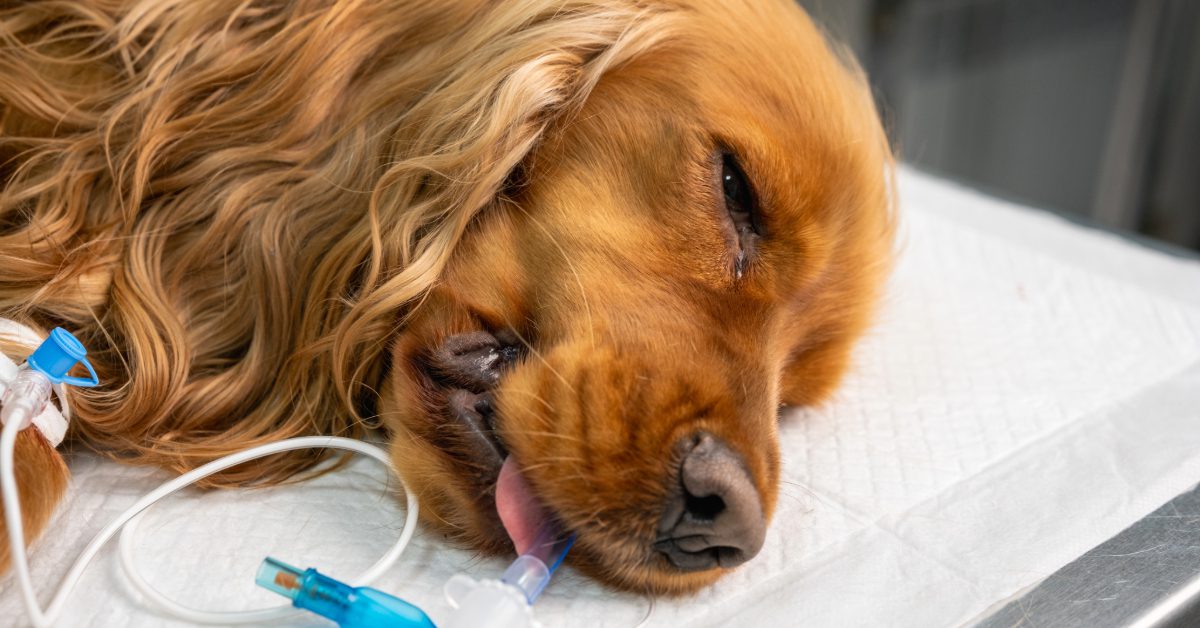
Signs Your Dog Needs Emergency Veterinary Care Right Now
Some situations are clear emergencies. If your dog is experiencing any of the following, go directly to Parkway Veterinary Emergency Clinic and do not wait for your regular vet to open:
- Difficulty breathing, choking, or gasping for air
- Collapse or sudden inability to stand
- Pale, white, blue, or gray gums
- Suspected poisoning or toxin ingestion
- Seizures lasting more than two minutes or multiple seizures in a short period
- Uncontrolled or severe bleeding
- Suspected broken bones or trauma from a car accident or fall
- Distended or swollen abdomen with signs of pain or distress
- Loss of consciousness
- Eye injuries or sudden vision loss
These are the clearest answers to when to take your dog to the emergency vet. When in doubt, always call or come in. It is always better to have your dog evaluated and sent home with a clean bill of health than to wait and allow a serious condition to worsen.
When Is Dog Diarrhea an Emergency?
Diarrhea in dogs is common and often resolves on its own, but there are times when it signals something serious enough to warrant an emergency vet visit. The question of when to take your dog to the emergency vet for diarrhea comes down to severity, duration, and accompanying symptoms.
When Dog Diarrhea Becomes an Emergency
Head to an emergency vet if your dog’s diarrhea is accompanied by any of the following:
- Blood in the stool, either bright red or black and tarry
- Vomiting at the same time as diarrhea, which can quickly cause dangerous dehydration
- Lethargy, weakness, or collapse
- A bloated or painful abdomen
- Signs that your dog ate something toxic, such as a plant, medication, or household chemical
- Diarrhea that has lasted more than 24 to 48 hours without improvement
Puppies, senior dogs, and dogs with pre-existing health conditions are at higher risk of serious complications from diarrhea and should be seen sooner rather than later. Dehydration can develop quickly, especially in small breeds. If your dog seems weak, is vomiting repeatedly, or has bloody diarrhea, that’s a clear sign of when to go to the emergency vet.
When to Take a Dog to the Emergency Vet for Vomiting
Like diarrhea, occasional vomiting in dogs isn’t always cause for alarm. Dogs sometimes vomit after eating too fast, getting into the trash, or experiencing mild stomach upset. But there are definite situations when vomiting means it’s time to visit an emergency vet.
Vomiting Symptoms That Require Emergency Vet Attention
Bring your dog to Parkway Veterinary Emergency Clinic right away if vomiting is:
- Continuous or happening more than two to three times in a short period
- Containing blood or a material that looks like coffee grounds
- Happening alongside a distended abdomen, which can indicate bloat, a life-threatening condition in dogs
- Occurring in a dog that you know or suspect ingested a toxic substance
- Accompanied by extreme lethargy, pale gums, or collapse
- Persistent despite the dog not eating for more than 12 hours
Bloat, formally called gastric dilatation-volvulus (GDV), is one of the most critical emergencies in dogs. The stomach fills with gas and may twist, cutting off blood supply. Large, deep-chested breeds are particularly susceptible. If your dog is retching unproductively, meaning they’re trying to vomit but nothing is coming up, combined with a swollen belly, this is a life-threatening emergency. Go to Parkway Veterinary Emergency Clinic immediately.
Is a Broken Dog Tooth an Emergency?
A broken tooth isn’t always what most pet owners think of when they consider when to take a dog to the emergency vet, but it can absolutely warrant urgent attention depending on the severity.
Complicated vs. Uncomplicated Tooth Fractures
Tooth fractures in dogs are classified as either complicated or uncomplicated. An uncomplicated fracture involves only the outer layers of the tooth, or the enamel and dentin, and may not require immediate emergency care, though it should be evaluated by your veterinarian soon. A complicated fracture, however, exposes the pulp, which is the sensitive inner tissue of the tooth, and is painful. This type of fracture creates an entry point for bacteria, which can lead to infection and abscess.
Signs that a broken tooth may be an emergency include:
- Visible pink or red tissue inside the tooth
- Visible bleeding from the tooth
- Refusing to eat or pawing at their mouth
- Swelling around the jaw or face
- Signs of significant pain
If you notice any of these, a visit to Parkway Veterinary Emergency Clinic is warranted. Our team can assess the injury, manage pain, and advise on next steps.
My Dog Is Not Eating: Is This an Emergency?
A dog skipping a single meal isn’t necessarily a reason to rush to the emergency vet. Dogs sometimes go off their food due to stress, a change in routine, or mild stomach upset. However, there are circumstances where a dog not eating is a meaningful warning sign.
When Loss of Appetite Is a Red Flag
Consider taking your dog to the emergency vet for not eating if:
- Your dog hasn’t eaten for more than 24 to 48 hours and is also lethargic or acting abnormally
- Loss of appetite is accompanied by vomiting, diarrhea, or both
- Your dog is a puppy, is elderly, or has a known health condition that makes prolonged fasting riskier
- You suspect your dog swallowed something inedible like toys, clothing, bones that may be causing a blockage
- Your dog is refusing water in addition to food, increasing the risk of dehydration
A gastrointestinal obstruction, where a swallowed object blocks the digestive tract, is a serious emergency that often presents with loss of appetite, vomiting, abdominal pain, and straining. If you have reason to suspect your dog ate something they shouldn’t have, this is absolutely when to take your dog to the emergency vet, regardless of how they seem in the moment. Obstructions can become fatal without prompt treatment.
When to See the Emergency Vet for a Dog That Is Panting and Shaking
A dog panting after exercise or shaking after a bath is perfectly normal. But a dog that is panting and shaking together, especially in a calm environment, at night, or in combination with other symptoms, may be telling you that something is wrong. This combination of symptoms is one of the clearer signals for when to see the emergency vet.
What Causes Panting and Shaking in Dogs?
Panting and shaking can result from pain, fear, anxiety, or a range of medical conditions, some of which require emergency vet care. Potential causes include:
- Pain: Dogs often pant and tremble when they’re in significant pain. If you can’t identify an obvious cause, internal injury or illness may be the culprit.
- Toxin ingestion: Many common toxins including certain plants, foods, and medications cause neurological symptoms including shaking and excessive panting.
- Heatstroke: Rapid, heavy panting combined with drooling, disorientation, or collapse indicates a heat emergency.
- Hypoglycemia: Low blood sugar, particularly in small breeds and puppies, causes trembling, weakness, and disorientation.
- Addison’s disease or hormonal emergencies: Some endocrine conditions can cause acute episodes involving shaking, weakness, and collapse.
If your dog is panting heavily and shaking and you can’t determine a clear, benign reason, like they just played hard or got a little spooked, trust your instincts and come in. Our team at Parkway Veterinary Emergency Clinic will help determine whether something serious is going on and provide appropriate care.
Parkway Veterinary Emergency Clinic Is Ready When You Need Us
No one wants to face a pet emergency, but when the moment comes, Parkway Veterinary Emergency Clinic in Lakeland, FL is here. Our team is equipped and ready to care for your dog around the clock, because emergencies don’t follow business hours. If you’re ever unsure whether your dog’s symptoms rise to the level of needing an emergency vet visit, call now at (863) 665-3199 or come in and let our team evaluate them. Waiting can cost valuable time when it matters most. We’re here to help every hour of every day.
Recent Posts
About Us
At Parkway Veterinary Emergency Clinic, our team consists of experienced veterinarians and veterinary professionals dedicated to providing exceptional after-hours emergency vet care to the pet community of Lakeland.