
My Dog Ripped Off a Dew Claw: Is This an Emergency?
Your dog tears across the yard, chasing a ball, and suddenly yelps. You notice limping, then a small trail of blood on the grass. When you take a closer look, you realize your dog ripped off a dew claw. This type of injury looks dramatic, and it often is. A torn dew claw can cause pain, bleeding, and anxiety for both pets and owners. When a dog rips off a dew claw, the exposed nail bed and surrounding tissue make the injury prone to infection and continued discomfort. Situations like this raise an urgent question: is a dog ripped off dew claw an emergency that requires immediate veterinary attention?
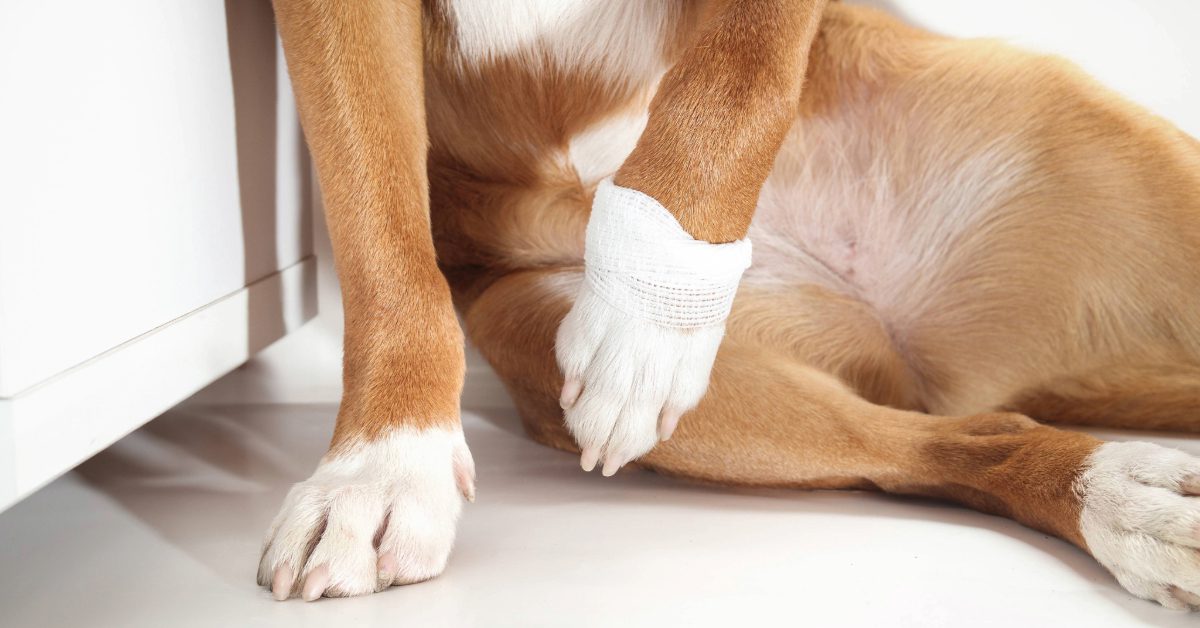
Dog Dew Claw Injuries
Dew claws sit slightly higher on the inside of a dog’s front legs, and sometimes on the back legs, where they do not make full contact with the ground. Because of their position, they can catch on carpet, fencing, brush, or even while playing with other dogs. We often see dog dew claw injuries after active play, hiking, or sudden twists and turns. The dew claw nail attaches to bone and contains nerves and blood vessels, which makes injuries more painful than many owners expect. When a dog rips off a dew claw, the nail can split, tear partially, or be completely avulsed from the nail bed. Even if the rest of the paw looks normal, this small structure can create a big problem. These injuries rarely improve on their own without some level of veterinary assessment.
Why Dew Claw Injuries Hurt So Much
A dew claw injury exposes sensitive tissue that usually stays protected by the nail. When that protection disappears, every step can irritate the area. Dogs may lick or chew at the area, which can worsen inflammation and introduce bacteria. We also see dogs become restless or unusually quiet because of pain from a torn dew claw. The constant motion of the leg makes it difficult for the area to stay clean and dry. That combination of moisture, movement, and exposed tissue increases the risk of infection. This is one reason we take reports of a dog ripped off dew claw seriously in an emergency setting.
What to Do If a Dog Dew Claw Is Broken or Torn
A dog dew claw that is broken or torn may look different depending on how much of the nail remains attached. Sometimes the nail hangs loosely, twisted or split, which can be more painful than if it were fully removed. Other times, the nail breaks near the base, leaving a jagged edge and active bleeding. We frequently hear owners ask, “My dog ripped off a dew claw — what should I do right now?” The first step is to stay calm and limit your dog’s movement to prevent further trauma. You can gently apply light pressure with a clean cloth to help control visible bleeding while preparing to seek care. Avoid pulling on any remaining nail, since that can increase pain and damage.
From our perspective in emergency care, a dog dew claw broken or torn warrants a prompt evaluation. Even if bleeding slows, the underlying nail bed may still be exposed or liable to become infected. We assess the extent of tissue damage, check for fractures in the small bones of the toe, and determine if the remaining nail should be trimmed or removed. Dogs often benefit from professional cleaning of the wound and protective bandaging. Without treatment, debris can become trapped, and infection can develop quickly. What starts as a torn dew claw can progress into swelling, discharge, and worsening lameness.
Signs the Injury Is More Severe
Some signs suggest the injury goes beyond a simple nail break. Persistent bleeding that soaks through cloth, significant swelling, or a strong odor from the area can indicate complications. If your dog refuses to bear weight on the leg or cries out when the paw is touched, pain may be substantial. We also watch for behavioral changes, such as hiding or sudden aggression when approached. These signals tell us that a dog who ripped off a dew claw may involve deeper structures than just the nail. In these cases, same-day emergency evaluation is the safest course.
My Dog Ripped Off a Dew Claw But It’s Not Bleeding
Owners sometimes notice a dog dew claw that has been ripped off but not bleeding and wonder if the situation can wait. In some cases, the initial bleeding already clotted, or the nail detached in a way that limited blood loss. Even so, the absence of blood does not mean the injury is minor. The exposed nail bed still faces contamination from dirt, grass, and household surfaces. Dogs also tend to lick the area, which adds bacteria from the mouth and slows healing. A dew claw that has been ripped off and is not bleeding can still become infected or painful within hours.
At home, you can keep your dog calm and restrict running or jumping. A light, temporary covering to protect the area during transport can help keep debris out, but avoid wrapping too tightly. Watch for redness, swelling, or renewed bleeding as signs the injury is evolving. We recommend contacting Parkway Veterinary Emergency Clinic at (863) 665-3199 to describe what you see, even if the wound looks dry. Our team can help you decide how quickly your dog needs to be examined based on current symptoms. Early attention often prevents more serious complications later.
Is This a Veterinary Emergency?
In many cases, a torn dog dew claw qualifies as an urgent situation that should be evaluated the same day. Dew claw injuries are painful, prone to infection, and difficult to manage without proper tools and restraint. Emergency care focuses on pain control, wound cleaning, and protecting the area so healing can begin. We also look for less obvious damage, such as nail fragments left behind or trauma to nearby tissues. Quick action reduces the risk of long-term problems and ongoing discomfort.
Seek prompt veterinary care if you notice:
- Bleeding that does not slow with gentle pressure
- A nail hanging loosely or twisted
- Swelling, discharge, or foul odor from the toe
- Persistent limping or refusal to use the leg
- Excessive licking, chewing, or signs of pain
Even if these signs seem mild at first, they can worsen quickly. We would rather evaluate a dog dew claw injury early than treat a more advanced infection later.
While preparing to travel, you can:
- Keep your dog as calm and still as possible
- Gently cover the paw with a clean cloth or loose bandage
- Prevent licking by supervising closely
- Avoid letting your dog run, jump, or play
These steps help reduce additional trauma but do not replace professional care. Our emergency team provides thorough assessment and treatment tailored to your dog’s specific injury.
What to Expect at the Emergency Clinic
When you arrive with a dog that ripped off a dew claw, we start with a physical exam focused on the injured leg and paw. We evaluate pain level, check circulation to the toe, and inspect for debris or foreign material. Depending on the injury, we may trim or remove damaged nail portions to create a smoother surface for healing. Cleaning and disinfecting the wound help lower the risk of infection. Some dogs require bandaging to protect the area during the first stages of recovery. We also discuss home care, activity restriction, and what changes should prompt a recheck.
Our goal at Parkway Veterinary Emergency Clinic is to relieve discomfort and reduce complications. Dew claw injuries often look small but can feel significant to your dog. Addressing the problem quickly supports smoother healing and a faster return to normal activity. If you ever feel unsure whether a torn dew claw situation is serious, it is safer to call and ask. You can reach our team at (863) 665-3199 for guidance and emergency care.
Recent Posts
About Us
At Parkway Veterinary Emergency Clinic, our team consists of experienced veterinarians and veterinary professionals dedicated to providing exceptional after-hours emergency vet care to the pet community of Lakeland.