
Cat Eye Discharge: Common Causes and Treatments
You notice it while your cat blinks up at you from the couch — a damp streak beneath one eye, a bit of crust in the corner, or fluid that was not there yesterday. Cat eye discharge often catches pet owners off guard, and it can range from mild, temporary irritation to a sign of a more serious eye condition. We often see concerns about cat eye discharge, and we know how quickly a small change in the eyes can cause worry. The eyes are delicate, sensitive structures, and even minor issues can look dramatic. While some discharge may be short-lived and related to simple irritation, other cases need prompt veterinary attention to protect vision and comfort. Understanding the possible causes and what different types of discharge mean can help you decide when it is time to call our team at Parkway Veterinary Emergency Clinic at (863) 665-3199.
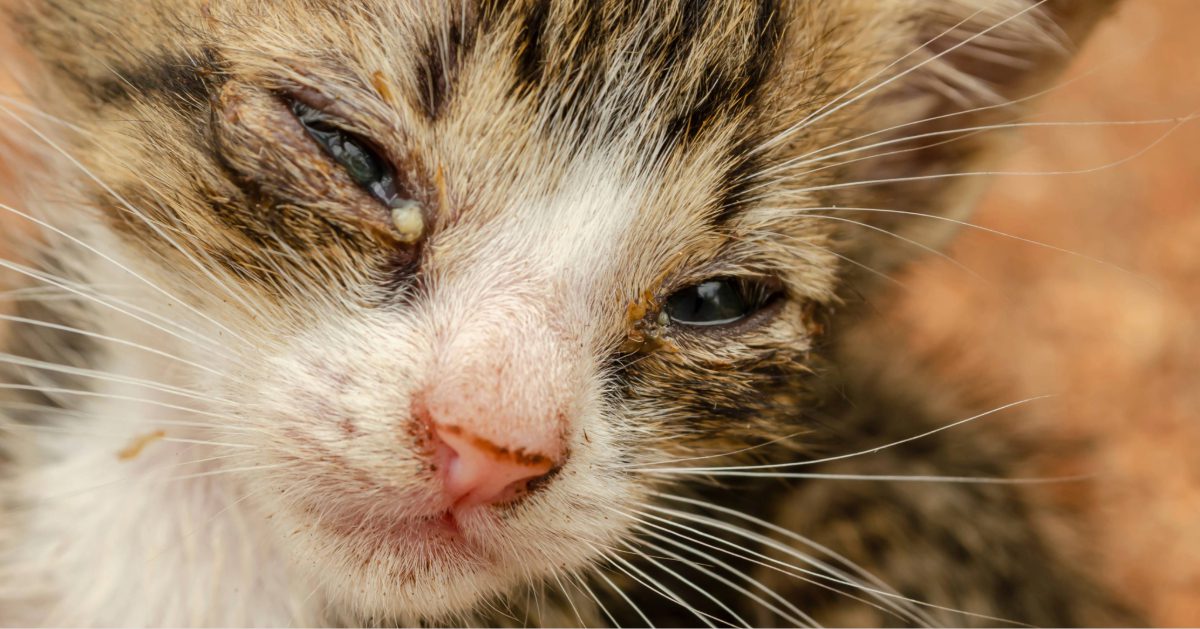
Why Cats Get Eye Discharge
Cat eye discharge develops when the eye produces excess tears, mucus, or inflammatory fluid in response to irritation, infection, or structural issues. The surface of the eye stays moist and protected by a thin tear film, but when something disrupts that balance, discharge often increases. Environmental factors such as dust, smoke, or household sprays can irritate sensitive eyes and lead to temporary tearing. Allergies may also contribute, especially if discharge appears along with sneezing or mild nasal congestion. In these situations, the body increases tear production to flush out irritants.
Infections remain another common reason for eye discharge in cats. Viral and bacterial infections can inflame the conjunctiva, the pink tissue lining the eyelids and eye surface. This inflammation, often called conjunctivitis, can cause redness, swelling, and visible discharge. Upper respiratory infections in cats frequently involve the eyes as well as the nose and throat. Young cats, senior cats, and those under stress may be more vulnerable to these infections. Eye injuries, including scratches to the cornea or foreign material trapped under the eyelid, also trigger discharge as the eye tries to protect itself.
Structural or anatomical factors sometimes play a role. Cats with flat faces or prominent eyes may have tear drainage issues that allow fluid to collect. Blocked tear ducts can prevent normal drainage, leading to overflow and staining below the eye. Eyelid abnormalities, such as lids that roll inward, may cause hairs to rub against the eye’s surface. Over time, this friction can cause chronic irritation and discharge. Because multiple causes can look similar from the outside, a veterinary exam helps identify the underlying reason.
Common triggers we consider when evaluating cat eye discharge include:
- Irritants such as dust, smoke, or grooming products
- Viral or bacterial infections affecting the eyes
- Allergic reactions involving the respiratory tract
- Scratches, foreign material, or eye trauma
- Tear duct blockage or eyelid abnormalities
Types of Cat Eye Discharge and What They Mean
The appearance of cat eye discharge offers important clues about what may be happening. Clear, watery discharge often points toward mild irritation or allergies. This type of discharge may increase during certain seasons or after exposure to environmental triggers. While watery eyes can look dramatic, they sometimes resolve once the irritant is removed. However, persistent tearing still deserves evaluation, especially if one eye seems more affected than the other.
Mucus-like or thick discharge suggests more active inflammation. You may notice a stringy texture or material that collects in the corners of the eyes. This type of discharge often accompanies conjunctivitis and may appear alongside redness or squinting. When the immune system responds to infection or irritation, mucus production increases as part of the body’s defense. If both eyes show changes, an infectious cause becomes more likely, though other conditions can still contribute.
Yellow or green discharge raises stronger concern for infection. This color often indicates the presence of inflammatory cells and debris. Cats with this type of cat eye discharge may also paw at their faces or keep the eyes partially closed. Swelling around the eyelids or sensitivity to light may develop. Thick discharge can dry into crusts that stick to the fur and eyelids, especially after sleep. Because infections can worsen quickly, this pattern calls for timely veterinary attention.
Here is a general guide to discharge types:
- Clear and watery: Irritation, allergies, or mild tear imbalance
- Stringy or mucus-like: Conjunctival inflammation or infection
- Yellow or green: Active infection and significant inflammation
- Bloody or brown-tinged: Possible injury or deeper eye problem
Other Eye Signs That Matter
Discharge alone does not tell the whole story. We also look for other signs that may indicate discomfort or more serious eye disease. Squinting, frequent blinking, or holding the eye closed suggests pain. Redness in the whites of the eyes or swelling of the eyelids signals inflammation. Cloudiness on the eye’s surface may point toward corneal involvement. Changes in behavior, such as hiding or decreased appetite, sometimes accompany eye issues.
A sudden change in eye appearance always deserves attention. Cats do not usually show pain openly, so subtle signs can be easy to miss. If discharge increases quickly or your cat resists having the face touched, that change matters. Eye conditions can progress faster than many other problems, and early evaluation protects long-term eye health. When in doubt, it is better to check than to wait.
Treating Eye Discharge in Cats
Treatment for cat eye discharge depends on the underlying cause, which is why a veterinary exam remains so important. During a visit, we evaluate the eye surface, eyelids, and surrounding tissues. We may use specialized stains or lights to check for scratches or ulcers on the cornea. We also assess tear production and drainage. These steps help us understand whether irritation, infection, injury, or structural issues are present. Because the eye is delicate, using the right treatment from the start makes a difference.
At home, you can take gentle steps to keep the area clean while you arrange veterinary care. Use a soft, damp cloth to wipe away discharge from the fur around the eyes. Always wipe away from the eye rather than toward it. Avoid using over-the-counter human eye products unless a veterinarian has advised them. Cats have unique sensitivities, and some ingredients can cause harm. Keeping the face clean can improve comfort, but it does not replace an exam.
In some cases, we prescribe medicated eye drops or ointments to address infection or inflammation. If allergies play a role, we focus on reducing triggers and managing inflammation. For structural issues, we discuss long-term strategies to reduce irritation and protect the eye surface. Injuries may require additional monitoring or protective measures. Each plan depends on the specific diagnosis, your cat’s overall health, and how long signs have been present. Early evaluation often leads to simpler treatment and faster improvement.
Situations that call for prompt veterinary care include:
- Sudden onset of thick, colored discharge
- Squinting, light sensitivity, or apparent eye pain
- Cloudiness or a visible change on the eye surface
- Swelling around the eye or eyelids
- Eye discharge combined with lethargy or breathing changes
A Clear Plan for Clear Eyes
Cat eye discharge can range from mild irritation to a sign of infection, injury, or structural issues that need veterinary care. The color, thickness, and amount of discharge offer helpful clues, but they do not replace a professional exam. Because eye conditions can change quickly, early evaluation protects comfort and vision. If you notice persistent discharge, redness, squinting, or any sudden eye change, contact Parkway Veterinary Emergency Clinic. Our team is here to assess your cat’s eyes and guide the next steps. Call (863) 665-3199 to speak with us about your concerns and schedule an evaluation.
Recent Posts
About Us
At Parkway Veterinary Emergency Clinic, our team consists of experienced veterinarians and veterinary professionals dedicated to providing exceptional after-hours emergency vet care to the pet community of Lakeland.