
Dog Paw Pad Ripped Off but Not Bleeding: Should I See the Vet?
A torn paw pad can stop you in your tracks, especially when you notice skin missing but no blood on the ground. When a dog paw pad is ripped off yet not bleeding, it often means the tougher outer layer peeled away while deeper tissue remains intact. That does not make the injury minor. Paw pads carry your dog through every walk, run, and bathroom break, so even a small-looking wound can become painful or infected quickly. We often see dogs act brave at first, only to limp later once soreness sets in. If you are wondering whether to wait or seek care, you are asking the right question. Paw pad injuries deserve careful attention, even when they look deceptively calm.
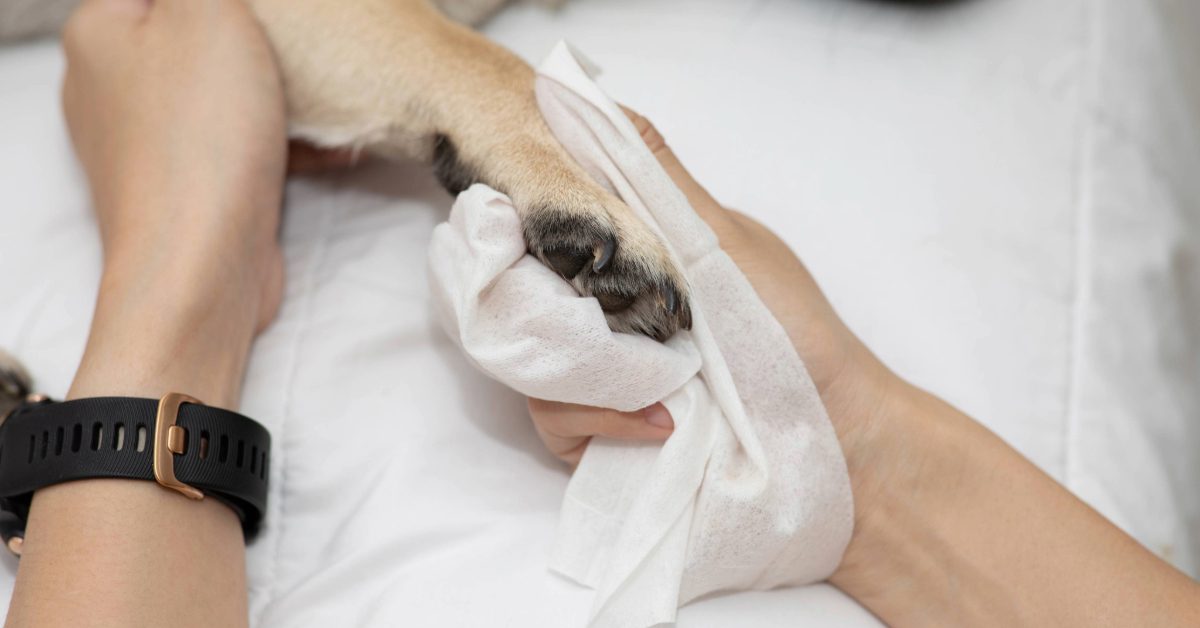
Paw Pad Injuries in Dogs
Paw pads work like shock absorbers, traction aids, and protective barriers all at once. They cushion joints, help dogs grip surfaces, and shield delicate tissues from heat, cold, and rough terrain. When part of that pad tears, the exposed layer underneath becomes vulnerable to dirt, bacteria, and pressure. A dog paw pad ripped off injury can happen during play on rough pavement, hikes on rocky trails, sudden stops on abrasive surfaces, or contact with sharp debris. Even quick turns during fetch can cause enough friction to shear off the outer pad layer. Because pads contain nerve endings, dogs often experience discomfort that worsens once adrenaline fades. Swelling, licking, or limping may appear hours later.
Why There May Be Little or No Bleeding
A paw pad injury can look alarming yet show very little blood. The outermost pad layer contains thick, keratinized tissue with fewer active blood vessels than deeper layers. When that top layer peels away, bleeding may stay minimal at first. Swelling can also temporarily slow visible bleeding. In some cases, dirt or dried tissue seals small vessels briefly, which creates a false sense of security. The absence of blood does not mean the area is clean or protected. Bacteria from the ground can still enter through the damaged surface. Pain and infection risk remain real concerns.
Signs the Injury Needs Veterinary Attention
Some dogs keep walking, while others hold the paw up immediately. We look beyond bleeding alone when evaluating a dog paw pad that’s been ripped off. Warning signs often appear gradually. You may notice increased licking, whining when the paw touches the floor, or reluctance to walk on hard surfaces. Discharge, odor, or darkening tissue can indicate infection or tissue damage. Swelling between the toes may also signal deeper involvement.
Watch for these red flags:
- Limping that lasts more than a short period
- Persistent licking or chewing at the paw
- Swelling, heat, or redness around the pad
- Dirt embedded in the wound surface
- Changes in your dog’s normal activity or appetite
If you see any of these signs, we recommend calling Parkway Veterinary Emergency Clinic at (863) 665-3199 so we can guide you.
How to Treat a Ripped Dog Ripped Paw Pad
Treatment for a dog paw pad that’s been ripped off depends on depth, contamination, and your dog’s comfort level. Our first priority is assessing whether deeper structures are involved. Paw pads bear weight, so even small wounds can reopen without proper protection. We gently clean debris, evaluate tissue health, and check for signs of infection. Some injuries require protective bandaging to keep the area clean and reduce pressure during healing. Others benefit from controlled rest and monitoring. Every case differs because activity level, environment, and the dog’s overall health all affect recovery.
What You Can Do Right Away at Home
You can take simple, supportive steps before you reach us. These steps focus on keeping the area clean and preventing further irritation rather than treating the wound itself. Avoid applying strong chemicals or human products that may irritate tissue. Instead, keep your dog calm and restrict activity. If your dog tolerates gentle handling, you can rinse visible debris with clean water. Pat the area dry rather than rubbing. A loose, breathable covering can help prevent licking until we evaluate the injury.
Helpful immediate measures include:
- Limiting walking on rough or dirty surfaces
- Preventing licking with supervision or a protective collar
- Keeping the paw dry and free from debris
- Monitoring for swelling or behavior changes
How We Protect Healing Paw Pads
Healing tissue on the bottom of the foot faces constant pressure. We often use bandages or protective coverings designed to cushion and shield the wound. We also discuss activity restrictions, since running or jumping can reopen tissue before it strengthens. Follow-up checks help us monitor progress and adjust care. Dogs heal at different speeds, and paw pads regenerate slowly compared to other skin. Keeping the area clean and protected during this time plays a big role in recovery. Communication between you and our team helps us catch problems early.
My Dog’s Paw Pad Is Ripped Off but Not Bleeding
This situation often creates the most confusion. Pet owners see skin missing but no blood, so they wonder if it can wait. While some minor surface scrapes heal smoothly, others hide deeper irritation that worsens under pressure. Because paw pads support full body weight, small injuries endure constant stress. That increases the risk of delayed healing or infection. Dirt, moisture, and licking can also complicate recovery. Early evaluation allows us to reduce these risks and keep your dog comfortable.
Questions we commonly hear include, “Can a paw pad grow back?” and “How long will healing take?” The outer layer can regenerate over time, but the process is slow. New tissue needs protection while it forms. Activity level, wound size, and cleanliness all influence healing speed. Some dogs recover quickly with minimal intervention, while others need more involved care. We assess each case individually to guide next steps.
Here are reasons not to ignore a ripped paw pad on your dog:
- Pads take time to regenerate and stay vulnerable meanwhile
- Weight-bearing slows healing without protection
- Bacteria from soil easily enter damaged tissue
- Pain may increase after initial shock wears off
If you are unsure how serious it looks, it is always reasonable to check in with us.
A Sore Paw Today Can Mean Bigger Trouble Tomorrow
Paw pad injuries often appear minor at first glance, yet they can interfere with mobility and comfort quickly. A dog with a ripped-off paw pad deserves attention because pads serve such an important role in daily movement. Early evaluation helps reduce infection risk, manage discomfort, and protect healing tissue. You do not have to decide alone whether it is serious. Our emergency team can talk through what you are seeing and help determine the next step. If your dog shows limping, swelling, or ongoing licking, call (863) 665-3199 right away. Quick action today can prevent a small wound from becoming a bigger problem later.
Recent Posts
About Us
At Parkway Veterinary Emergency Clinic, our team consists of experienced veterinarians and veterinary professionals dedicated to providing exceptional after-hours emergency vet care to the pet community of Lakeland.