
Does Pet Insurance Cover the Emergency Vet?
Yes, most pet insurance plans cover emergency vet care for accidents and sudden illnesses, though the exact benefits depend on your policy. In most cases, it will reimburse you for covered costs after you pay at the clinic.
Maybe you bought a policy years ago, never read past the premium, and still cannot say whether pet insurance covers emergency vet care for your own dog or cat. Maybe you are weighing a plan right now because your last late-night scare left your wallet a little thinner. Either way, the fine print matters most on the worst night, when you have a sick pet in your arms and no time to call the insurer. Here is how coverage usually works for emergency care, what tends to be included or left out, and what to do before and after a visit so claims go smoothly for your Lakeland household.
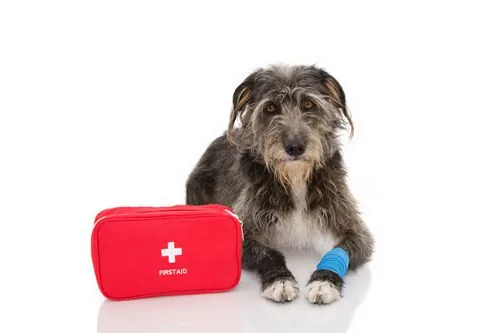
Does Pet Insurance Cover Emergency Surgery?
Many accident and illness plans do cover emergency surgery, and surgery is often the very reason owners buy insurance in the first place. Still, there are limits and exclusions shape what gets paid.
What Plans Typically Include
Comprehensive plans commonly reimburse the costs tied to an unexpected injury or illness. That can include exams, digital imaging, lab work, hospitalization, medications, and the operation itself. Foreign object removal, fracture repair, and wound surgery are common examples of covered events when they arise from a new accident or illness.
Where Coverage Often Stops
Pre-existing conditions are the biggest gap. If a problem was diagnosed or showed symptoms before your policy began, or during a waiting period, the insurer may deny the claim. Some plans also exclude certain breed-related conditions, and accident-only policies will not pay for illness at all. Reading the exclusions list before you need it is worth the coffee break.
Why the Policy Type Matters
An accident-only plan costs less each month but covers a narrow set of events. An accident and illness plan costs more and responds to a wider range of emergencies. For something like toxin ingestion or a urinary blockage, pet owners should confirm that their plan includes illness, not just accidents.
Emergency Surgery and Anesthesia Costs
Surgery bills often combine several line items: anesthesia, surgical time, monitoring, hospitalization, and pain relief afterward. Insurers typically review each item against your policy, so itemized invoices matter.
Can You Go to Any Vet With Pet Insurance?
In most cases, yes. Unlike many human health plans, the majority of pet insurance policies do not use a network, so you can visit any licensed veterinarian, including an emergency hospital. That freedom is a big reason owners wonder whether pet insurance covers emergency vet clinics they have never visited before.
Freedom of Choice at the Emergency Hospital
When your regular veterinarian is closed, you can head to Parkway at any hour without worrying about whether the clinic is in a provider directory. Your insurer cares about the covered diagnosis and the invoice, not which building you chose. Call the insurer’s customer service line ahead of time if your policy language is unclear about specialty or emergency facilities.
Paying First and Getting Reimbursed
Most insurers work on a reimbursement model. You pay the clinic at the time of service, then submit a claim with itemized invoices and medical records. The insurer reviews it and sends back the covered portion according to your plan. Because the bill comes due before the reimbursement arrives, it helps to plan for the upfront payment.
Questions to Ask Your Insurer
Before an emergency happens, a quick phone call can clear up the details. Consider asking:
- Whether the plan applies a separate deductible to each incident or once per policy year
- How long claims typically take to process
- Whether the company ever pays a clinic directly for large bills
- If there is a cap on a single claim, not just a yearly maximum
Referrals and Specialty Care
Some emergencies lead to follow-up with a specialist or your regular veterinarian. Most policies treat those visits like any other covered care, as long as the condition qualifies. Save every invoice, since one incident can generate several claims across different clinics. Owners who track those records tend to hear back from their insurer faster, and they can get better answers with real documents in hand.
How Much Is an Emergency Vet Visit?
The cost depends on what your pet needs, but Parkway Veterinary Emergency Clinic offers an exam fee of just $95.
What Raises the Total
After the exam, the bill grows with the care your pet requires. Radiographs, bloodwork, IV fluids, overnight monitoring, and surgery each add to the estimate. For pet insurance, it’s important to remember that your deductible applies first and your reimbursement percentage applies to what remains.
A Simple Example of the Math
Picture a covered emergency with a final invoice of $3,000 and a $250 deductible. You first satisfy your deductible, then the insurer reimburses a share of the remaining eligible costs, commonly 70 to 90 percent of what remains, depending on your plan. With an 80 percent rate, you would receive $2,200 on that example. Higher reimbursement rates usually come with higher monthly premiums. Your own policy documents will spell out the exact numbers.
Financing for Gaps and Waiting Periods
Insurance is not the only tool. Parkway accepts CareCredit, Scratchpay, and Cherry as payment options, which can help with the portion insurance does not cover or when a claim is still pending. Reviewing those choices ahead of time takes pressure off the front desk conversation.
Why Cost Conversations Start Early
Our team at Parkway shares estimates before moving into major diagnostics or procedures, so you can make decisions with your budget in mind. Bring up your insurance coverage at check-in, and mention any limits you already know about. That conversation helps everyone plan the visit around your policy.
What Do Reimbursement Rates, Deductibles, and Waiting Periods Mean?
These terms may seem complicated, but they directly affect how much you’ll pay out of pocket and how much your pet insurance provider will reimburse you for emergency veterinary care.
Deductibles and Annual Limits
A deductible is the amount you pay before reimbursement starts. An annual limit is the most the plan will pay in a policy year, and some policies also set per-incident limits. A low deductible with a high limit protects you best against a major emergency, though premiums rise to match.
Reimbursement Percentages
The reimbursement rate determines what percentage of eligible veterinary expenses your insurance provider pays back. A higher reimbursement rate generally means lower out-of-pocket costs during an emergency. However, pet insurance rarely covers the entire bill, as deductibles, reimbursement percentages, and coverage limits all affect the final payout. Comparing these factors across different plans provides a clearer picture of your potential expenses than looking at monthly premiums alone.
Waiting Periods
Most policies include a waiting period before coverage starts, and illness waiting periods are often longer than those for accidents. An emergency that happens during the waiting period may not qualify, so the answer to what your pet insurance covers can change based on your enrollment date. Enrolling early, while your pet is healthy, protects you from that gap, and it keeps new conditions from being treated as pre-existing later.
Get Ready Before the Bills Arrive
Paperwork feels like the last thing you want to think about during a crisis, which is exactly why it helps to organize it in advance. Preparation lets you focus on your pet instead of on policy numbers, and it turns a stressful night into a manageable one. Parkway recommends pet insurance because it helps more pets get the care they need, whatever the family budget looks like.
Keep your policy number, the insurer’s phone number, and recent medical records in a folder or a phone note. When you arrive, tell our Parkway team you have insurance and ask for a detailed invoice and records you can attach to your claim. Our staff will walk you through the treatment plan and estimated costs before major steps. Parkway is open 24/7 at (863) 665-3199 whenever your pet needs help.
Recent Posts
About Us
At Parkway Veterinary Emergency Clinic, our team consists of experienced veterinarians and veterinary professionals dedicated to providing exceptional after-hours emergency vet care to the pet community of Lakeland.