
Cat Sneezing Blood: Causes and When to Worry
You notice a small red spot on the floor after your cat sneezes, and your stomach drops. A cat sneezing blood sounds alarming because it often points to irritation or disease inside the delicate nasal passages. We see this symptom in emergency and urgent cases, and while some causes stay mild, others require fast veterinary care. A little blood from a sneeze does not always mean a crisis, yet it never counts as “normal.” The inside of a cat’s nose contains tiny blood vessels that break easily when inflamed, infected, or injured. We encourage pet owners to treat any episode of a cat sneezing blood as a sign to watch closely and call for guidance if it happens again.
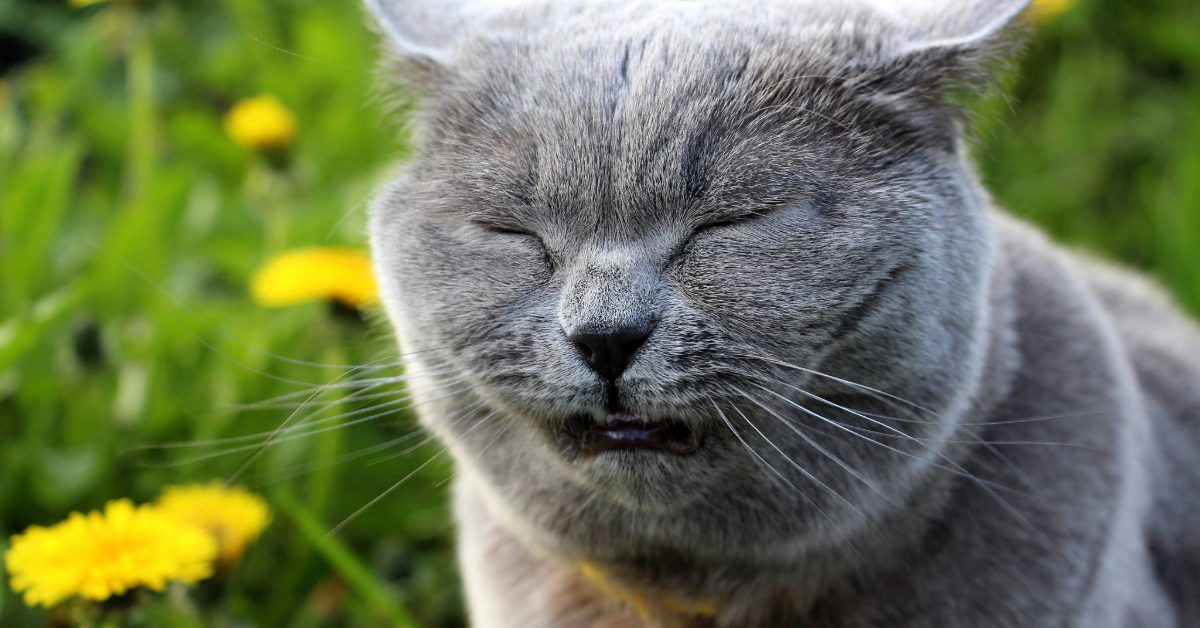
Why Is My Cat Sneezing Blood?
The nose and sinuses react strongly to irritation. Sneezing itself builds pressure, and that force can rupture fragile vessels lining the nasal cavity. Infections top the list of common triggers, especially upper respiratory infections caused by viruses or bacteria. These illnesses inflame tissue, increase mucus, and make bleeding more likely during repeated sneezing. Environmental irritants also play a role, including smoke, dust, strong fragrances, or cleaning products that linger in the air. Even something as simple as a piece of grass or debris lodged in the nose can lead to a cat sneezing blood.
We also look beyond surface irritation. Dental disease sometimes spreads infection into the sinuses because the roots of upper teeth sit close to nasal passages. Growths such as nasal polyps or tumors can disrupt tissue and cause recurring bleeding with sneezing. Trauma remains another possibility, especially if a cat falls, collides with an object, or experiences rough play. Blood clotting disorders, though less common, may cause nosebleeds along with bruising or bleeding elsewhere. Because so many conditions can cause a cat to sneeze blood, we rely on exams and diagnostics to determine the source.
Common causes of a cat sneezing blood include:
- Upper respiratory infections that inflame nasal tissue
- Foreign objects like grass blades or small particles
- Dental infections affecting the sinus area
- Nasal growths such as polyps or tumors
- Trauma to the face or head
How Inflammation Leads to Bleeding
Inflammation changes the lining of the nasal passages in noticeable ways. Swollen tissue narrows airways and increases friction during each breath or sneeze. Blood vessels near the surface become fragile and prone to rupture under pressure. Thick discharge may trap bacteria, worsening irritation and prolonging symptoms. Repeated sneezing cycles then keep reopening small wounds before they heal. This pattern explains why a cat sneezing blood often shows other signs like congestion or watery eyes.
My Cat Is Sneezing Blood but Acting Normal
Many pet owners tell us, “My cat is sneezing blood but acting normal,” which can make the situation confusing. Cats often hide discomfort well, so normal behavior does not always mean a minor issue. Early infections or mild irritation may not affect appetite or energy right away. Some cats only show occasional sneezing with a faint blood tinge, especially if dry air irritates their nose. Even so, the presence of blood suggests that tissue damage has occurred somewhere inside the nasal cavity. We encourage observation rather than dismissal when a cat sneezing blood seems otherwise fine.
Pay attention to subtle changes. Increased sneezing frequency, thicker nasal discharge, or noisy breathing may appear gradually. You might also notice pawing at the face, head shaking, or reluctance to eat hard food if oral pain plays a role. A cat that seems bright and alert today may decline if infection spreads or swelling worsens. Documenting when episodes happen, how much blood appears, and any other signs helps us assess urgency. Acting early often leads to simpler treatment and faster relief.
Watch for these accompanying signs:
- Nasal discharge that turns yellow, green, or thick
- Loss of appetite or difficulty chewing
- Swelling around the nose or face
- Lethargy or hiding behavior
- Bleeding from other areas of the body
Environmental Factors That Can Contribute
Home environments influence nasal health more than many people realize. Dry indoor air can crack delicate membranes, making bleeding more likely during sneezing. Strong scents from candles, sprays, or cleaners can trigger irritation and inflammation. Dust from litter, carpets, or renovation projects may also aggravate sensitive airways. Keeping air clean and well ventilated can reduce irritation while you monitor your cat. These steps do not replace veterinary care, yet they can help minimize triggers that worsen bloody sneeze sessions.
When Should I See the Vet for a Cat Sneezing Blood?
We treat a cat sneezing blood as a reason to call when episodes repeat, worsen, or appear with other symptoms. A single speck of blood after a forceful sneeze may come from minor irritation, but ongoing bleeding needs evaluation. If blood flows freely, drips, or appears in large amounts, seek care right away. Difficulty breathing, open-mouth breathing, or loud nasal sounds also signal urgency. Trauma, such as a recent fall or possible hit, raises concern for internal injury. Trust your instincts if something feels off, and contact Parkway Veterinary Emergency Clinic at (863) 665-3199.
Veterinary teams use exams, imaging, and sometimes lab work to find the source of bleeding. We check the mouth, teeth, and sinuses, since dental disease can hide behind nasal symptoms. Imaging like radiographs or advanced scans may reveal growths or foreign material. Blood tests can assess clotting function when unexplained bleeding occurs. Early diagnosis often improves outcomes and reduces complications. Prompt evaluation gives your cat the best chance for recovery and comfort.
Seek immediate care if you notice:
- Continuous or heavy nosebleeding
- Trouble breathing or blue-tinged gums
- Severe lethargy or collapse
- Facial swelling after an injury
- Bleeding combined with bruising elsewhere
What You Can Do at Home While You Arrange Care
While you plan your next step, focus on keeping your cat calm and comfortable. Stress and activity can raise blood pressure and increase bleeding. Keep your cat indoors and away from rough play with other pets. Offer fresh water and a quiet resting area with good airflow. Use a clean, soft cloth to gently wipe external blood if present, but avoid inserting anything into the nostrils. Monitoring frequency and severity of a cat sneezing blood helps us guide you when you call.
Humidified air may soothe irritated passages in some cases. Running a humidifier in the room or allowing your cat to sit in a steamy bathroom for short periods can add moisture to dry air. Maintain a clean litter box area and reduce exposure to dust or strong odors. Avoid giving any medications or home remedies unless a veterinarian directs you to do so. These supportive steps help limit irritation but do not replace professional evaluation. Calling us ensures your cat receives care tailored to the underlying cause.
A Small Sneeze But a Big Clue
A cat sneezing blood may begin with a tiny red speck, yet it often signals more than simple irritation. We see this sign linked to infections, dental disease, foreign objects, and other conditions that benefit from prompt attention. Early action can prevent complications and reduce discomfort for your cat. Even when behavior seems normal, internal inflammation or injury may still be present. Our team at Parkway Veterinary Emergency Clinic stands ready to assess urgent concerns and guide next steps. If you notice your cat sneezing blood, call (863) 665-3199 so we can help determine the right level of care.
Recent Posts
About Us
At Parkway Veterinary Emergency Clinic, our team consists of experienced veterinarians and veterinary professionals dedicated to providing exceptional after-hours emergency vet care to the pet community of Lakeland.