
Bee Sting on Dog Paw: How to Help Your Pet
A yelp in the yard, a sudden limp, and nonstop licking often point to one common warm-weather problem: a bee sting on a dog paw. Dogs explore the world with their noses and feet, which puts their paws right in the path of bees resting in grass or clover. When a dog steps down and surprises a bee, the sting usually lands on the paw pad or between the toes. We often see worried pet owners rush in after noticing fast swelling, redness, or sudden discomfort, and we understand how alarming that moment feels. While many bee stings stay mild, some trigger more intense reactions that need urgent veterinary attention. Our team at Parkway Veterinary Emergency Clinic helps pet owners sort out what is normal, what is not, and when a situation turns into an emergency.
Dog Stepped on a Bee: What Happens Next?
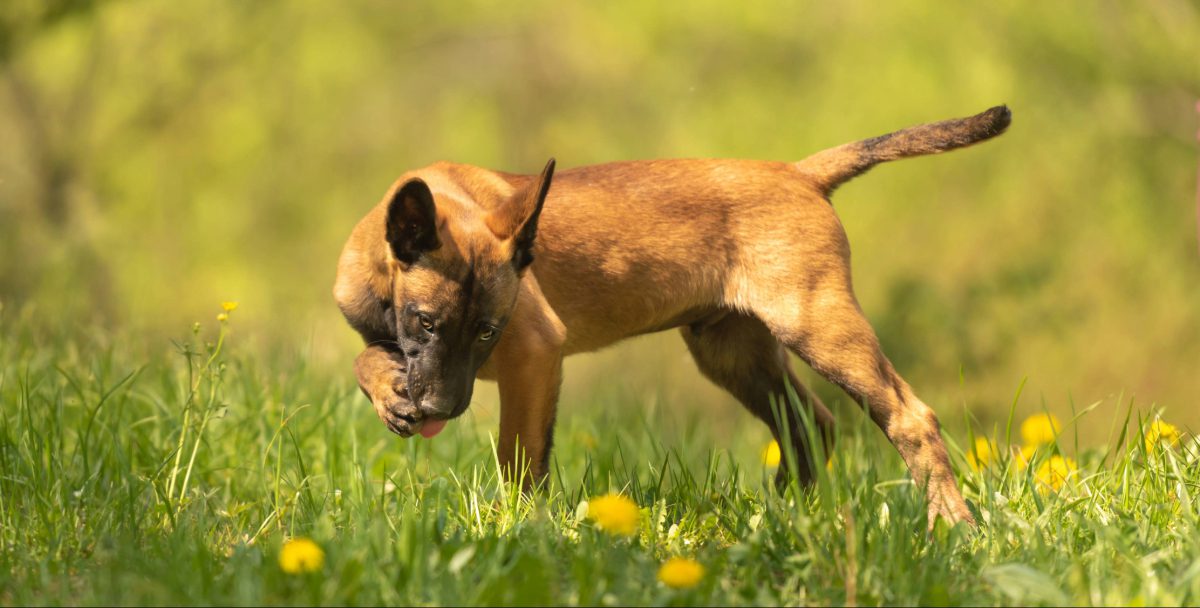
When a dog steps on a bee, the stinger releases venom into the tissue of the paw. That venom causes immediate pain, which explains the sudden cry or hopping you might see. Blood vessels in the area react quickly, leading to swelling that can make the paw look puffy within minutes. Some dogs hold the leg up, while others continue walking but lick the paw nonstop. The skin may appear red, and the paw pad can feel warm to the touch. These signs fit the typical pattern of a bee sting on a dog paw, especially after time outside in flowering grass or near gardens.
Most uncomplicated stings cause localized irritation that improves over several hours. However, dogs vary in how their immune systems respond. A second or third sting later in life can produce a stronger reaction than a first exposure. Location also matters, because the paw contains many nerve endings and soft tissue spaces where swelling builds pressure. Even a mild sting can look dramatic on a paw, which makes observation important during the first few hours.
How We Identify a Bee Sting on a Dog Paw
We look for a combination of history, behavior, and physical findings when evaluating a possible sting. Owners often describe a sudden change that happened outdoors, sometimes with a visible insect nearby. The paw usually shows swelling focused in one area rather than the entire leg. We also check for signs that suggest a more serious reaction beyond the paw itself. Careful examination helps us rule out other causes like thorns, splinters, or cuts that can look similar at first glance.
Common signs linked to a dog bee sting on the paw include:
- Sudden limping or holding one paw off the ground
- Repeated licking, chewing, or staring at the paw
- Noticeable swelling of a toe, the paw pad, or between toes
- Redness or warmth in one small area
- Mild restlessness due to discomfort
Bee Sting on Your Dog’s Paw Pad: What You Can Do Right Away
Seeing your dog in pain can make you want to act fast, and calm, simple steps make a difference. First, move your dog away from the area where the sting happened to prevent additional stings. Take a close look at the paw in good light, because sometimes the stinger remains in the skin for a short time. Avoid squeezing the area, since pressure can push more venom into the tissue. If your dog allows it, gently rinse the paw with clean, cool water to remove surface debris and soothe the skin. Keeping your dog from licking the paw helps reduce further irritation.
Cool compresses often provide comfort for a bee sting on a dog paw. A clean cloth dampened with cool water and held against the swollen area for short intervals can ease inflammation. Keep activity low for the rest of the day so the paw has time to settle. Watch closely for changes in breathing, behavior, or swelling that spreads beyond the paw. These steps focus on comfort and monitoring, not replacing veterinary care if symptoms worsen.
Why Paw Stings Can Look Worse Than They Are
The paw pad and toes contain tight spaces where even a small amount of fluid buildup causes visible swelling. Dogs also place weight on their paws constantly, which draws attention to the injury. Licking increases redness and makes the area look more inflamed. Because of this, a local reaction can seem severe even when it stays limited to the paw. That said, we never ignore rapid changes, because the same venom that irritates locally can trigger body-wide responses in some dogs. Careful observation bridges the gap between normal recovery and signs that call for medical evaluation.
Is a Dog Bee Sting a Veterinary Emergency?
Many pet owners ask if a bee sting on their dog’s paw pad requires an emergency visit. The answer depends on how your dog’s body responds after the initial sting. A simple local reaction usually involves swelling and discomfort limited to the paw. These cases often improve with time and close monitoring. However, allergic or systemic reactions move beyond the sting site and affect the whole body. Those reactions can progress quickly and need immediate veterinary attention.
We consider it urgent when you notice changes that go beyond the paw. Swelling around the face or muzzle, vomiting, diarrhea, weakness, or collapse raise concern. Difficulty breathing, excessive drooling, or pale gums signal a true emergency. Dogs that have had strong reactions to stings before also face higher risk. In these situations, quick action protects your dog’s safety.
Call us right away at (863) 665-3199 if you see:
- Swelling of the lips, eyelids, or face
- Hives or raised bumps on the skin away from the paw
- Vomiting, diarrhea, or sudden lethargy
- Trouble breathing, coughing, or noisy breathing
- Collapse, disorientation, or extreme weakness
Our emergency team evaluates airway, circulation, and overall stability first. We then address pain, swelling, and any allergic response under controlled medical supervision. Fast treatment improves outcomes when reactions turn severe.
Dogs at Higher Risk for Strong Reactions
While any dog can react to a sting, some factors increase the chance of a more intense response. Dogs with a history of allergies may have more sensitive immune systems. Multiple stings at once, such as disturbing a ground nest, increase venom exposure. Very small dogs can show more dramatic effects relative to their body size. Stings inside the mouth or throat, though less common than paw stings, present special risk due to swelling in a tight airway space. Knowing these factors helps pet owners decide when to seek care sooner rather than later.
What to Expect After a Bee Sting on a Dog Paw
In mild cases, swelling and tenderness often peak within several hours and then slowly improve. Your dog may favor the paw for a day or two but gradually return to normal activity. Some dogs develop a small firm spot at the sting site that fades over time. Keeping the paw clean and limiting rough play helps avoid secondary irritation. If swelling increases after the first day instead of improving, we recommend an exam. New limping days later can point to another issue that deserves attention.
We also guide pet owners on preventing future incidents. Keeping lawns trimmed, watching for flowering weeds, and checking areas where your dog plays reduces bee encounters. During outdoor time, quick checks of the paws after walks help you spot early problems. Consistent observation supports early action, which often leads to smoother recovery.
When in Doubt, Let an Emergency Vet Take a Look
A bee sting on a dog paw can range from a brief scare to a serious medical event, and it is not always easy to tell which path your dog will take. Trust your instincts if something feels off about your pet’s behavior or breathing. Our emergency team sees these cases often and knows how quickly reactions can change. We would rather evaluate a mild case than have you wait through a developing emergency. If your dog steps on a bee and you feel unsure, call Parkway Veterinary Emergency Clinic at (863) 665-3199 so we can guide your next step. Prompt communication keeps small problems from becoming larger ones. Your quick response plays a key role in your dog’s safety and comfort.
Recent Posts
About Us
At Parkway Veterinary Emergency Clinic, our team consists of experienced veterinarians and veterinary professionals dedicated to providing exceptional after-hours emergency vet care to the pet community of Lakeland.